A good carpet finish starts with control. Before the carpet is trimmed, tucked, stretched or finished, it needs to be positioned correctly, and that is where the knee kicker becomes one of the most important tools in a carpet fitter's kit.
A knee kicker, also known as a carpet kicker or carpet stretcher tool, is used to move and tension carpet into place, especially around edges, corners, doorways, stairs and smaller rooms. It is not designed to replace a power stretcher on larger jobs, but used correctly, it helps create a neat, tight and professional finish.
In this guide, we explain how to use a knee kicker, when to use one, how it compares with a carpet power stretcher, and which knee kickers are best for professional flooring installers. We'll also look at popular options from Roberts, Crain, and the Economy Knee Kicker range available from Flooring Tools Direct.
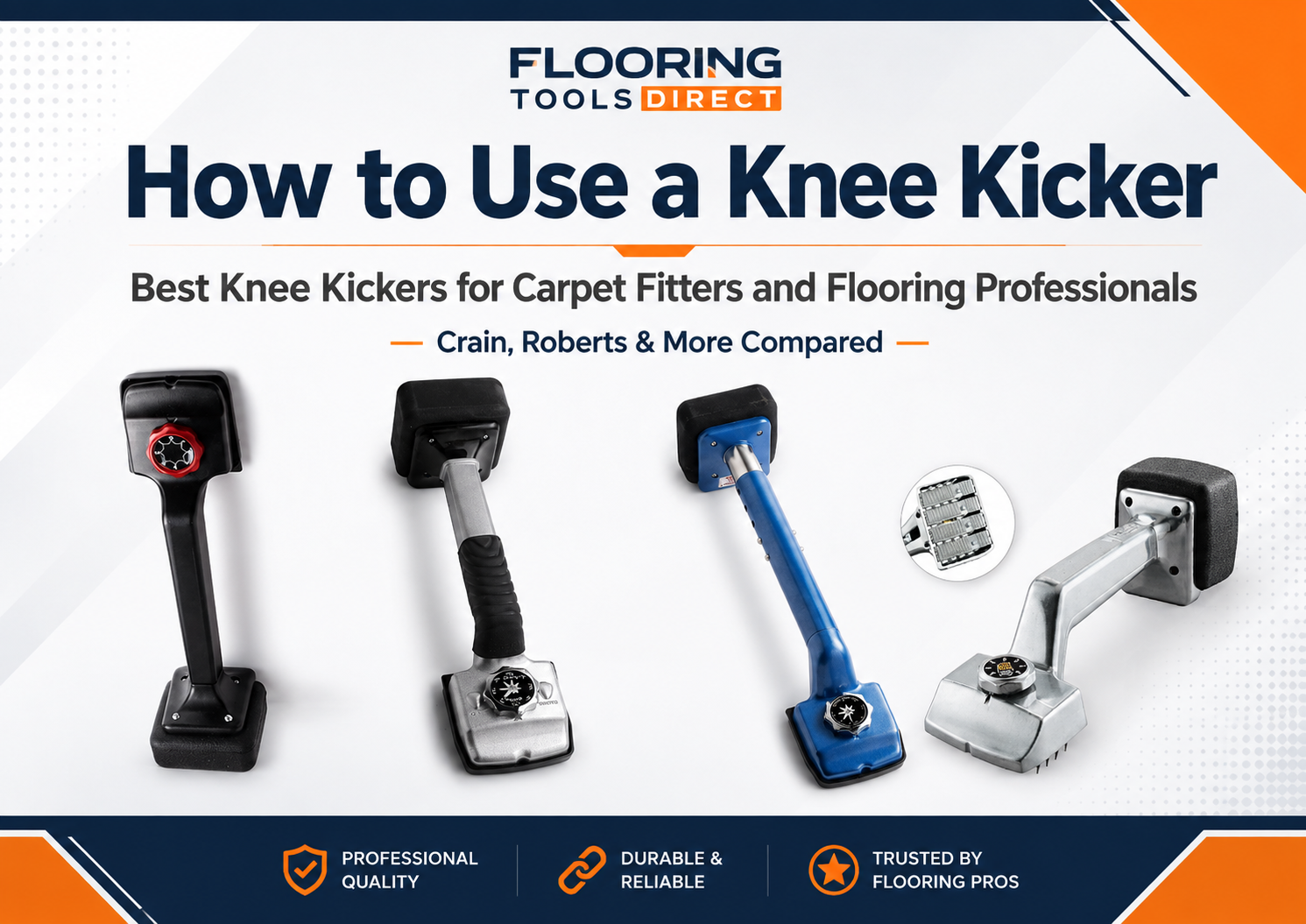
What Is a Knee Kicker?
A knee kicker is a carpet fitting tool used to position and stretch carpet onto gripper rods. It has a gripping head with pins or teeth that bite into the carpet backing, an adjustable body, and a padded end that the installer strikes with the knee.
The tool allows the carpet fitter to push the carpet forward in a controlled way, helping it hook onto the grippers around the perimeter of the room.
A knee kicker is commonly used for:
- Positioning carpet before final stretching
- Hooking carpet onto gripper rods
- Working around edges and corners
- Fitting carpet in small rooms
- Adjusting carpet at doorways
- Working on stairs and landings
- Finishing after using a power stretcher
For carpet fitters, it is one of those tools that gets used on nearly every job.
Knee Kicker vs Carpet Power Stretcher: What's the Difference?
A knee kicker and a carpet power stretcher are often used together, but they are not the same tool.
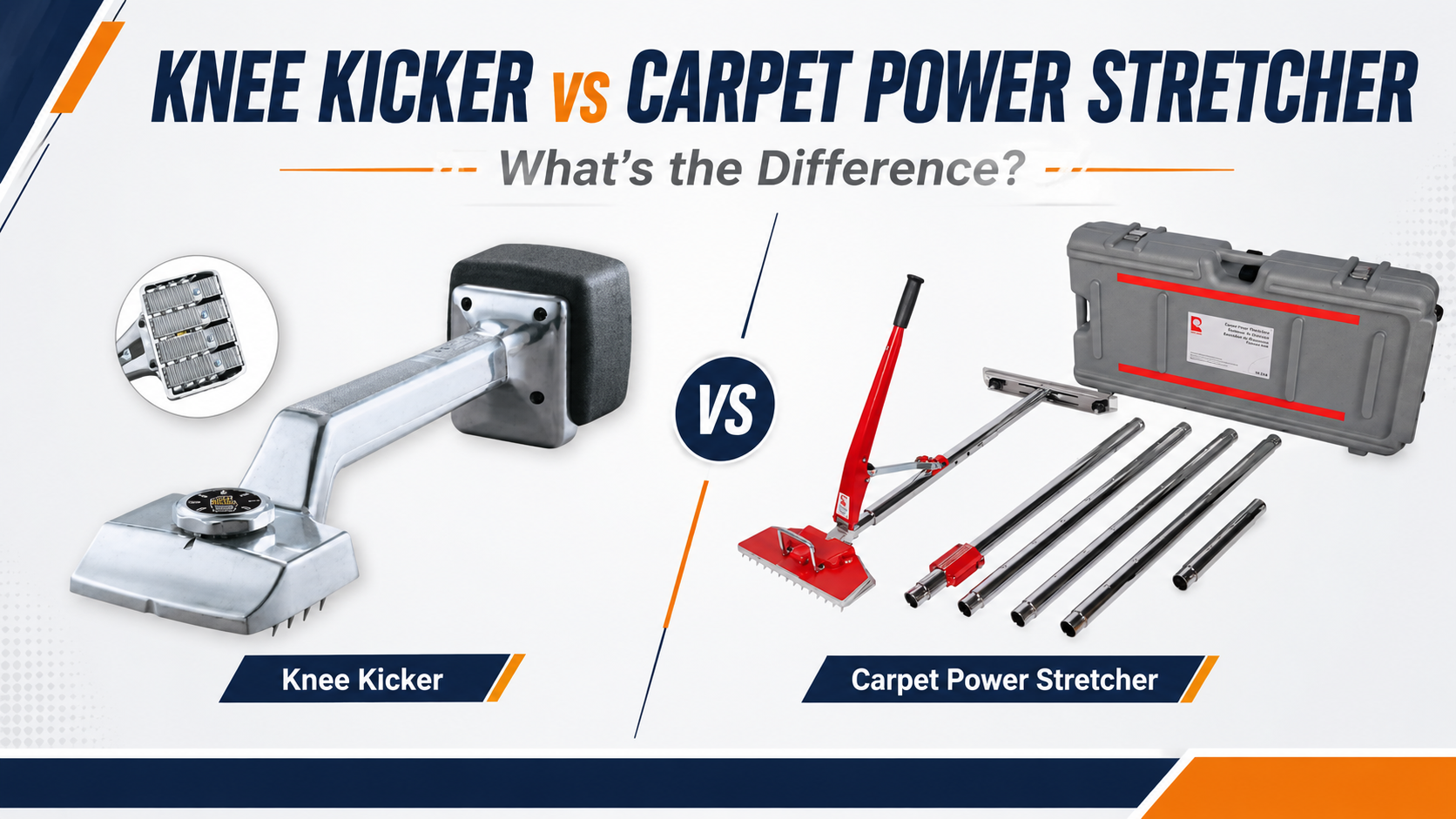
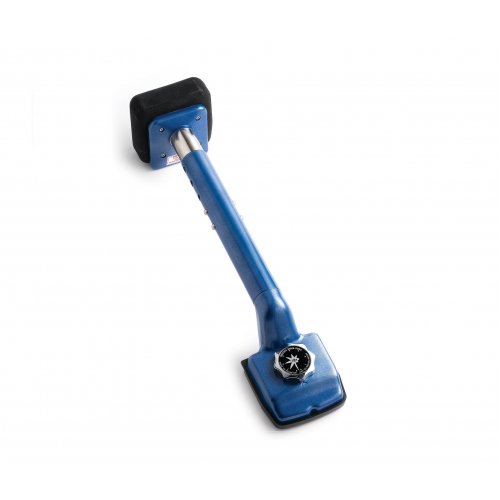
A knee kicker is mainly used for positioning and controlled local stretching. It is ideal around edges, doorways, corners, stairs and smaller areas.
Best for:
- Positioning carpet
- Small rooms
- Edges and corners
- Doorways
- Stairs
- Finishing work
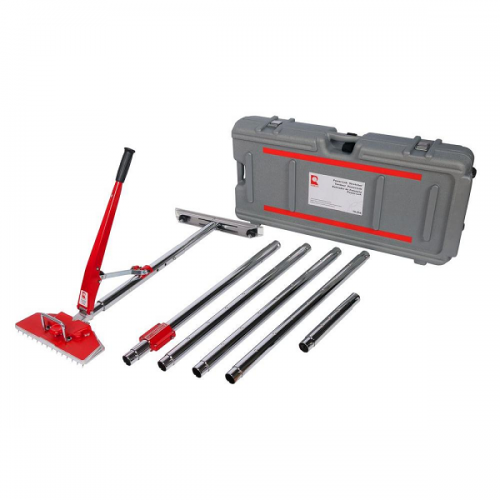
A carpet power stretcher applies stronger and more even tension across larger areas. It is the correct tool for properly stretching carpet across most larger rooms.
Best for:
- Large rooms
- Lounges
- Bedrooms
- Hallways
- Commercial installations
- Patterned carpet
- Preventing ripples and loose areas
The key point is this: a knee kicker is essential, but it should not be used as the only stretching tool on larger carpet installations. For professional results, use a power stretcher for the main stretch and a knee kicker for positioning, edges and finishing.
When Should You Use a Knee Kicker?
Use a knee kicker when you need to move, position or adjust the carpet locally.
It is especially useful when:
- You are starting the carpet on the gripper
- You need to pull carpet tight along one wall
- You are working close to skirting boards
- You are fitting into corners
- You need to adjust carpet around doorways
- You are fitting stairs or small landings
- You are finishing the edges after power stretching
A knee kicker gives you control in areas where a full power stretcher would be too large or awkward.
How to Use a Knee Kicker: Step-by-Step
Before using any knee kicker, always check the manufacturer's instructions and adjust the tool correctly for the carpet you are fitting. The steps below give a practical overview for carpet fitting work.
Step 1: Prepare the Room
Before you start using the knee kicker, check the basics.
Make sure:
- Gripper rods are fitted securely
- Underlay is laid and trimmed properly
- The carpet is positioned in the room
- There is enough excess carpet at the edges
- The floor area is clean and clear
- You have a carpet knife, stair tool and tucker ready
A knee kicker works best when the carpet is already roughly aligned and ready to be positioned onto the gripper.
Step 2: Position the Carpet
Lay the carpet into the room and line it up correctly. If the carpet has a pattern, take extra care before you begin stretching or kicking. It is much easier to correct alignment before the carpet is fixed onto the gripper.
Start along one wall and make sure the carpet has enough overlap at the perimeter for trimming and tucking.
Step 3: Adjust the Pin Depth
The pins or teeth on the knee kicker head should grip the carpet backing properly.
If the pins are too shallow, the tool may slip. If they are too deep, they may damage the carpet or pull too aggressively.
As a general guide:
- Short pile carpet needs a shallower setting
- Thick pile carpet may need deeper pins
- Always test on a less visible area if unsure
- Adjust gradually rather than forcing the tool
Professional knee kickers such as Crain models often offer multiple depth settings, which helps when working across different carpet types.
Step 4: Place the Knee Kicker Correctly
Position the head of the knee kicker around 75mm to 100mm away from the skirting board or gripper, depending on the carpet and room layout.
The head should sit flat on the carpet, with the teeth gripping the backing securely. Keep the tool aligned in the direction you want the carpet to move.
Avoid placing the kicker too close to the gripper, as this can make it harder to move the carpet correctly.
Step 5: Kick with Control
Use your knee to push the padded end of the kicker. The movement should be controlled and firm, not wild or aggressive.
The aim is to move the carpet into position, not to over-stretch it. Small controlled kicks are usually better than one heavy impact.
After each movement, hook the carpet onto the gripper using your hand, stair tool or tucker where needed.
Step 6: Work Along the Edge
Continue working along the wall, moving the knee kicker gradually along the carpet edge. Keep checking that the carpet is sitting straight and that there are no ripples forming behind you.
For corners and doorways, use smaller adjustments and take your time. This is where a knee kicker gives much more control than a large power stretcher.
Step 7: Trim and Tuck the Carpet
Once the carpet is positioned and secured onto the gripper, trim the excess with a sharp carpet knife. Then use a carpet tucker or stair tool to tuck the edge neatly between the gripper and skirting.
Useful finishing tools include:
- Carpet knife
- Hook blades
- Stair tool
- Carpet tucker
- Carpet bolster
- Seam roller
Browse carpet tools here: Carpet Tools
Best Knee Kickers for Flooring Professionals
The best knee kicker depends on how often you fit carpet, the type of jobs you do, and whether you need a budget tool or a professional trade model.
Below are some popular options available from Flooring Tools Direct.
Best for: occasional use, DIY carpet fitting, smaller jobs, budget-conscious installers
The Economy Knee Kicker is a practical entry-level option for stretching carpets onto wall grippers. It is a good choice for occasional use, smaller rooms or anyone who needs a simple carpet kicker without investing in a premium model.
It is especially useful for DIY users, maintenance teams, landlords and light trade work.
Why choose it:
- Budget-friendly option
- Suitable for basic carpet fitting tasks
- Useful for small rooms and light work
- Good starter knee kicker
Good choice if you: Need a basic knee kicker for occasional carpet fitting or small domestic jobs.
View Economy Knee Kicker
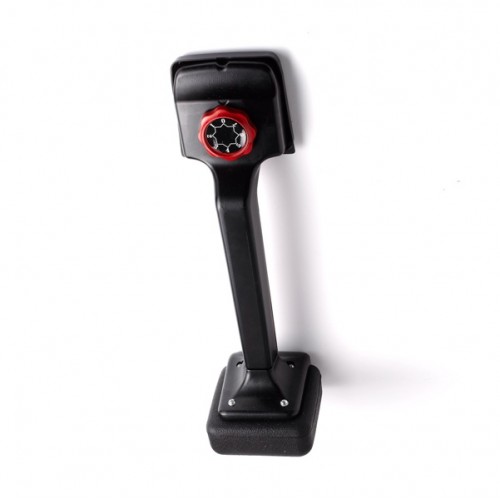
Best for: professional carpet fitters wanting value and adjustability
The Roberts 422 Knee Kicker is a popular Roberts option with a wider carpet head for improved load distribution. It has an adjustable trigger release and a high contour neck designed to work over stretcher heads and poles.
This makes it a good all-round choice for fitters who want a reliable knee kicker without going to the very top end of the price range.
Why choose it:
- Wider carpet head for better load distribution
- Adjustable length
- High contour neck design
- Good value Roberts knee kicker
- Suitable for regular carpet fitting work
Good choice if you: Want a reliable Roberts knee kicker for trade use at a competitive price.
View Roberts 422 Knee Kicker
Best for: installers looking for a durable Roberts carpet kicker
The Roberts 412 Knee Kicker is another strong Roberts option and is described as offering excellent value for money. It is made with precision die-cast construction and includes an extension arm, making it useful for installers who want a solid, dependable carpet stretcher tool.
Why choose it:
- Good value for money
- Precision die-cast construction
- Extension arm
- Trusted Roberts brand
- Suitable for general carpet fitting
Good choice if you: Want a dependable Roberts knee kicker for regular carpet installation work.
View Roberts 412 Knee Kicker
Best for: professional fitters wanting a wider head and more grip
The Roberts GT 2000 Knee Kicker is designed with a wider carpet head, giving more gripping area than many standard carpet stretchers. It also has an arm extension range from 47cm to 57cm with five adjustable positions.
This is a strong choice for installers who want more grip, better control and a more professional Roberts knee kicker for regular use.
Why choose it:
- Wider carpet head
- Five adjustable positions
- Extension range from 47cm to 57cm
- More gripping area than many standard models
- Good for professional carpet fitting
Good choice if you: Want a premium Roberts knee kicker with strong grip and adjustability.
View Roberts GT 2000 Knee Kicker
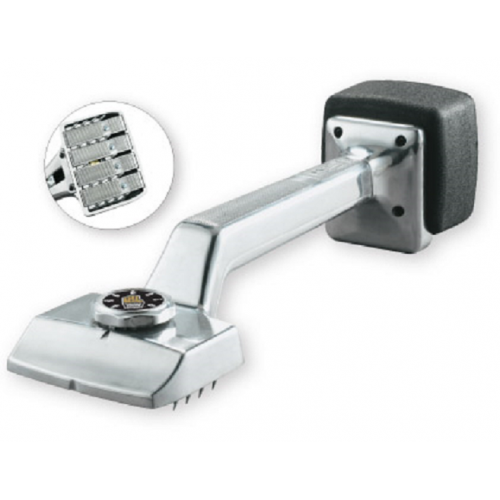
Best for: professional carpet fitters needing precise adjustment
The Crain 445 Knee Kicker is a professional knee kicker with a standard pad and recessed trigger for length adjustment. The pin and head teeth can be adjusted through multiple depth positions, making it suitable for different carpet pile heights.
It also includes hardened steel pins and replaceable parts, making it a practical choice for installers who want a strong trade-level tool.
Why choose it:
- Adjustable length
- Multiple pin depth positions
- Suitable for different pile heights
- Hardened steel pins
- Replaceable parts
- Trusted Crain brand
Good choice if you: Want a professional Crain knee kicker with precise adjustment for different carpets.
View Crain 445 Knee Kicker
Best for: durability, regular trade use, fitters who want strong adjustment options
The Crain 505 Knee Kicker is described as one of the most durable knee kickers in the Crain range. It offers multiple adjustment lengths and a visual pin depth dial with different depth settings.
This is a good option for fitters who work with a variety of carpets and want a knee kicker that can be adjusted quickly and accurately.
Why choose it:
- Durable Crain design
- Multiple length adjustments
- Visual pin depth dial
- Suitable for different carpet types
- Built for regular professional use
Good choice if you: Need a durable knee kicker for frequent carpet fitting.
View Crain 505 Knee Kicker
Best for: professional carpet fitters, comfort, use around stretcher tubes
The Crain Deluxe Knee Kicker 605 is a high-quality knee kicker designed for professional carpet installers. It has a higher profile body, making it easier to span over stretcher tubes, and comes with a thick bumper for better comfort during fitting.
The Crain 605 is a strong choice if you are fitting carpets regularly and want a premium tool with comfort and control.
Why choose it:
- Higher profile body
- Designed to span over stretcher tubes
- Thick bumper for comfort
- Professional Crain build quality
- Good choice for regular trade use
Good choice if you: Want a professional knee kicker that is comfortable and practical for daily carpet fitting.
View Crain Deluxe Knee Kicker 605
Best for: moving a wider section of carpet with each kick
The Crain 525 Wide Head Knee Kicker is designed with a wider gripping head, four gripper inserts and an extra row of hardened steel pins. It is useful when you want to move a wider section of carpet with each kick.
This can be helpful on larger carpet areas or when working with carpets that need more controlled movement across a wider section.
Why choose it:
- Wider gripping head
- Four gripper inserts
- Extra row of hardened steel pins
- Moves more carpet with each kick
- Professional Crain design
Good choice if you: Want a wide-head Crain knee kicker for faster movement and improved grip.
View Crain 525 Wide Head Knee Kicker
Quick Comparison: Which Knee Kicker Should You Choose?
| Job type | Recommended knee kicker |
|---|
| Occasional DIY carpet fitting | Economy Knee Kicker |
| Budget trade use | Roberts 422 Knee Kicker |
| General professional carpet fitting | Roberts 412 or Roberts 422 |
| Better grip and wider head | Roberts GT 2000 |
| Different carpet pile heights | Crain 445 or Crain 505 |
| Daily professional use | Crain Deluxe Knee Kicker 605 |
| Wider carpet movement | Crain 525 Wide Head Knee Kicker |
| Use with power stretcher tubes | Crain Deluxe 605 or Roberts 422 |
Roberts Knee Kicker vs Crain Knee Kicker
Both Roberts and Crain are trusted brands in carpet fitting tools, but they suit slightly different needs.
Choose a Roberts knee kicker if:
- You want a good balance of price and performance
- You are looking for a reliable everyday carpet kicker
- You want strong value for money
- You fit carpets regularly but do not necessarily need the highest-spec option
Popular choices include:
Choose a Crain knee kicker if:
- You are a full-time carpet fitter
- You want more adjustment options
- You work with different pile heights
- You want a premium trade-level tool
- Durability and replaceable parts matter to you
Popular choices include:
For many flooring professionals, Roberts is a strong everyday choice, while Crain is often preferred when more adjustment, durability and trade-level refinement are needed.
Common Mistakes When Using a Knee Kicker
Using too much force
A knee kicker should be used with controlled movement. Heavy, aggressive kicking can damage the carpet or cause poor alignment.
Setting the pins too deep
Pins that are too deep can damage the carpet backing. Always adjust the pin depth to suit the pile and backing.
Using a knee kicker instead of a power stretcher
A knee kicker is not a replacement for a power stretcher in larger rooms. Use it for positioning and finishing, not as your only stretching tool on big jobs.
Not checking carpet alignment
Once the carpet is hooked onto the gripper, correcting alignment becomes harder. Check the position before committing.
Working with a worn bumper
A damaged or worn knee pad bumper makes the tool uncomfortable and less efficient. Replace worn parts when needed.
Recommended Carpet Fitting Kit to Use with a Knee Kicker
A knee kicker works best as part of a proper carpet fitting setup.
Useful tools to keep with it include:
- Carpet power stretcher
- Carpet knife
- Hook blades
- Carpet tucker
- Stair tool
- Carpet bolster
- Gripper cutter
- Seam roller
- Carpet trimmer
- Knee pads
Browse carpet tools here Carpet Tools
Browse knee kickers here Knee Kickers
Final Thoughts
A knee kicker is one of the most important tools in carpet fitting. It gives you control when positioning carpet, working around edges, fitting into corners and finishing details.
For small jobs or occasional use, the Economy Knee Kicker is a practical starting point. For regular trade work, Roberts knee kickers offer strong value and reliability. For full-time professional carpet fitters, Crain knee kickers provide excellent adjustment, durability and comfort.
The best knee kicker is the one that suits the type of work you do every day. If you fit carpet regularly, investing in a good-quality carpet kicker will make the job easier, improve the finish and help you work with more control.
Shop knee kickers at Flooring Tools Direct - Knee Kickers
FAQs
What is a knee kicker used for?
A knee kicker is used to position and locally stretch carpet onto gripper rods. It is especially useful around edges, corners, doorways, stairs and smaller rooms.
Is a knee kicker the same as a carpet stretcher?
A knee kicker is a type of carpet stretcher tool, but it is not the same as a power stretcher. A knee kicker is used for positioning and finishing, while a power stretcher applies stronger tension across larger areas.
Can I fit carpet with just a knee kicker?
For small rooms and light work, a knee kicker may be enough. For larger rooms and professional installations, a power stretcher should be used for the main stretch.
What is the best knee kicker for carpet fitters?
For professional carpet fitters, Crain knee kickers such as the Crain 445, Crain 505 and Crain Deluxe 605 are strong choices. Roberts knee kickers such as the Roberts 422 and Roberts GT 2000 are also popular options.
Are Roberts knee kickers good?
Yes, Roberts knee kickers are popular because they offer good value, practical design and reliable performance for carpet fitting work.
Are Crain knee kickers worth it?
For professional carpet fitters, Crain knee kickers are worth considering because they offer strong adjustment options, durable construction and trade-focused features.
How do I adjust a knee kicker?
Most professional knee kickers allow you to adjust the length and pin depth. Set the length for comfortable use and adjust the pins so they grip the carpet backing without damaging it.
Should I use a knee kicker or a power stretcher?
Use a power stretcher for the main stretch in larger rooms. Use a knee kicker for positioning, edges, corners, stairs and finishing work.
